
When to replace the screws on a metal roof
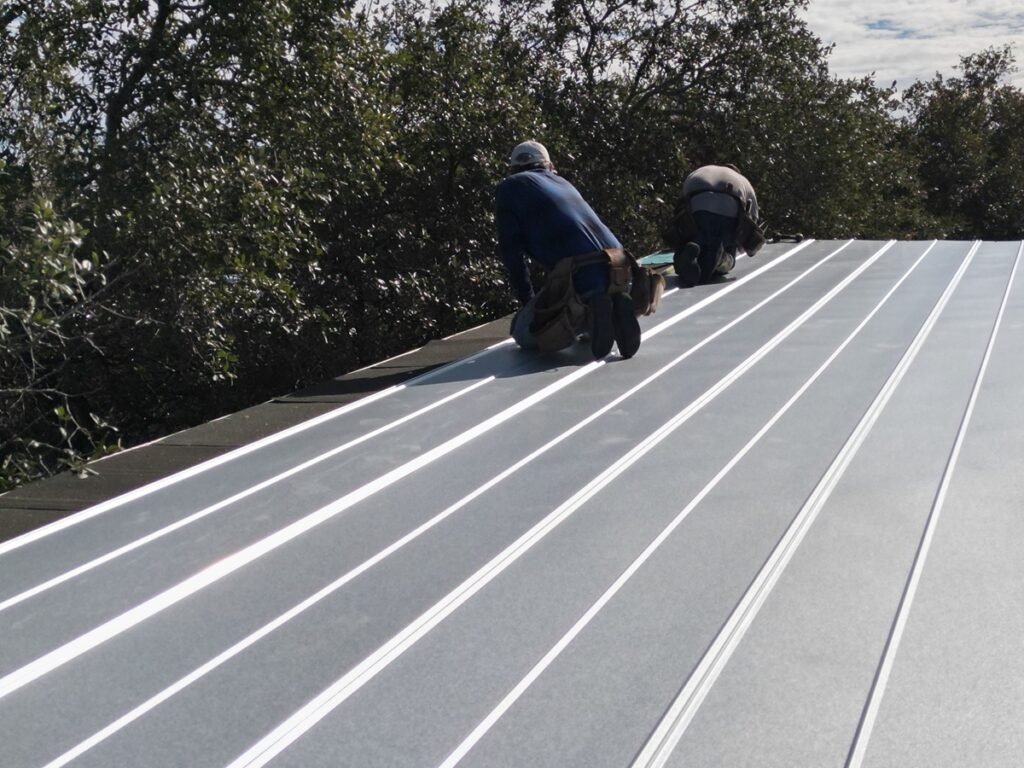
Metal roofing is one of the most durable, energy-efficient, and low-maintenance roofing options available, often lasting 40 to 70 years when properly installed and maintained. But even the toughest metal roofs aren’t completely immune to wear and tear. Leaks can develop over time due to improper installation, severe weather like hail or high winds, or aging fasteners on exposed-fastener systems. On these types of roofs, the screws are sealed with a rubber washer that naturally deteriorates over the years — and once it does, replacing those fasteners becomes essential to prevent water intrusion and extend the life of your roof.
Common Causes of Metal Roof Leaks in Leander, TX
Even the strongest metal roofs are not immune to leaks — especially when age, improper installation, or severe weather comes into play. Understanding what causes leaks and how to spot them early can help you protect your investment and extend the life of your roof.
1. Improper Screw Installation
The most common source of metal roof leaks comes down to the screws themselves. Each roofing screw is equipped with a small rubber washer that creates a watertight seal against the metal. If screws are installed incorrectly, this crucial seal is compromised:
Over-driven screws crush the rubber washer, causing it to bulge and fail, leaving a pathway for water to enter.
Angled screws don’t sit flush against the surface, creating small gaps where moisture can seep through.
Under-driven screws fail to seat properly, preventing a complete seal.
In Leander’s hot summers and powerful storm seasons, even a small installation error can turn into a significant leak over time.
2. Failing Flashings Around Vents and Pipes
Stack flashings — the rubberized seals around roof penetrations like pipes and vents — are another vulnerable point on a metal roof. These flashings flex and shift as the roof expands and contracts with temperature changes, and over time, this movement causes them to crack or pull away. Prolonged UV exposure in the Central Texas sun accelerates this wear, eventually allowing water to seep into the roof system.
3. Worn or Deteriorating Sealants
Sealants applied around roof transitions, trims, reglets, and pitch pans are essential for keeping water out. Like flashings, these sealants degrade over time due to sun exposure and the natural movement of the metal panels. Regularly reapplying high-quality sealant ensures your roof remains watertight and protected.
4. Leaks at Seams and Overlaps
Where two metal panels meet — called seams or overlaps — water can sneak in through a process called capillary action, which allows moisture to travel upward into tight spaces. Even well-installed seams can become vulnerable as the roof ages or shifts, leading to leaks if not monitored.
Signs Your Metal Roof Needs Repairs
Routine inspections are key to catching problems early. Contact a roofing professional if you notice any of these signs:
Active leaks or water stains inside your home
Fading or discoloration on panels
Tears, punctures, or gouges in the roofing surface
Loose or lifted fasteners
Loose panels or visible gaps at seams
Signs of rust, oxidation, or corrosion
Peeling or flaking panel finishes
Even small issues can grow quickly, especially after Central Texas storms. Early repairs help you avoid more expensive damage down the line.
Inspection Tips for Leander Metal Roofs
At Everstead Roofing & Construction, we recommend inspecting your roof twice a year and after any major weather event like hail, heavy winds, or severe storms. Look for water stains, rust, or mold — all signs that leaks may already be present. Pay close attention to the screws and fasteners, as shifting metal panels can push them out of place or break the rubber washer seal.
Why Screw Quality Matters
The lifespan of your roof depends not only on proper installation and maintenance but also on the quality of the fasteners used. Choosing high-corrosion-resistant screws ensures your roof performs as intended for decades. If you’re replacing screws on an older roof, consider upgrading to fasteners with improved weather-resistance and coating technology. This small investment can significantly extend the life of your metal roof.
Common Reasons Screws Fail
Natural aging: Most screws begin to fail after 20 years and rarely last beyond 30.
Fastener back-out: Expansion, contraction, and weather exposure can loosen screws over time.
Improper installation: Incorrect screw placement prevents proper sealing.
Rust formation: Moisture or dissimilar metals can cause corrosion, compromising the fastener.
If your roof is over two decades old or you’re noticing rust, leaks, or loose fasteners, it’s time for a professional inspection.
Protect Your Home With Expert Metal Roof Maintenance
A leaking metal roof doesn’t mean you need a full replacement — but ignoring it can lead to costly structural damage. Whether your roof is showing signs of wear or you simply want peace of mind, Everstead Roofing & Construction is here to help. We proudly serve Leander, Cedar Park, Liberty Hill, and the Central Texas Hill Country, offering expert inspections, screw replacements, and full metal roof repairs designed to keep your property protected for decades.
Contact Everstead Roofing & Construction today to schedule your free roof inspection and ensure your metal roof stays leak-free and strong for years to come.