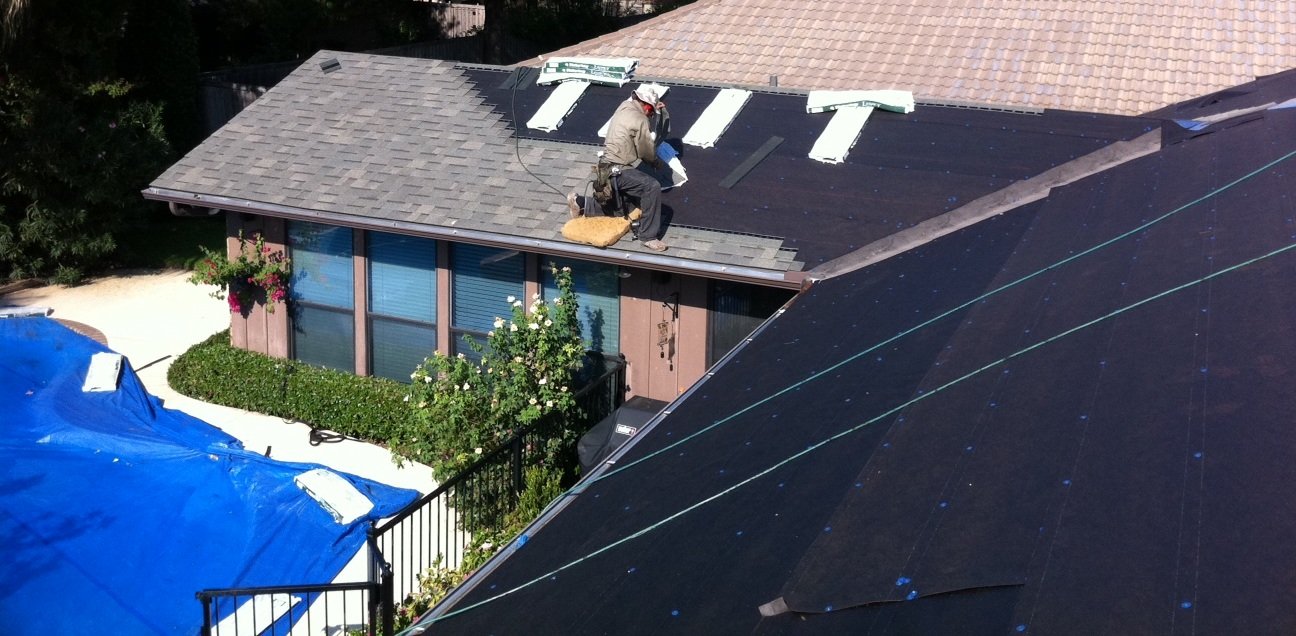

Can I install a new roof over my existing shingles?
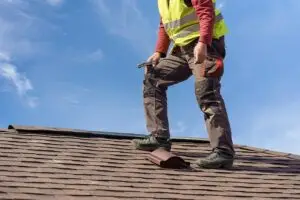
Installing shingles over an existing shingle roof (often called a “roof-over”) may seem like a quick, cost-effective option, but there are several disadvantages that homeowners should consider. These drawbacks can impact the longevity, performance, and overall quality of the new roof.
1. Hidden Problems with the Existing Roof
- Undetected Damage: One of the biggest concerns with a roof-over is that any existing problems—such as leaks, rot, or mold—are concealed beneath the new layer of shingles. If these issues aren’t addressed before the new shingles are installed, they can worsen over time and compromise both the old and new roofing layers.
- Structural Issues: Roof decking problems, such as sagging or weakening from water damage, remain hidden. Over time, this can lead to more serious structural issues that are expensive to fix.
2. Shorter Lifespan of the New Roof
- Excess Heat Buildup: When new shingles are placed over old shingles, the heat buildup can be greater than on a single-layer roof. The old shingles act as insulation, trapping heat and increasing the overall temperature of the roof. This can cause the new shingles to age more quickly, leading to a shorter lifespan.
- Poor Ventilation: Without proper ventilation between the two layers, moisture can get trapped, causing condensation, mold growth, or rot, which can degrade the roofing materials faster.
3. Additional Weight on the Structure
- Weight Concerns: Shingles are heavy, and adding another layer increases the load on your roof’s structure. Most building codes allow for only one additional layer of shingles, but even so, the extra weight can cause problems over time, such as sagging, especially if the roof structure is already compromised or weakened by age.
- Possible Code Violations: If your home already has two layers of shingles, adding a third could violate local building codes. This would require the entire roof to be torn off if it needs to be replaced again.
4. Difficulties in Repairing or Diagnosing Issues
- Complicated Repairs: If there’s a problem with your roof (like a leak) after a roof-over, it can be harder to locate and repair. The second layer of shingles makes it more difficult to pinpoint where leaks originate, and repairs may involve removing the second layer to reach the source of the issue in the underlying shingles or decking.
- Hidden Leaks: If there are any leaks in the old roof that are not fixed before the new shingles are added, the damage can continue to spread undetected beneath the second layer, leading to significant damage to the roof deck and interior of the home.
5. Aesthetics and Appearance
- Uneven Surface: Shingles installed over old shingles can lead to an uneven surface, especially if the original layer has curled, cracked, or buckled. This can cause the new roof to look wavy or less attractive, which affects the curb appeal of your home.
- Less Uniform Appearance: The texture of the old roof can affect how well the new shingles lay flat, leading to a less aesthetically pleasing result.
6. Potential for Lower Property Value
- Negative Perception by Buyers: Many homebuyers and inspectors see a roof-over as a shortcut, potentially leading to concerns about hidden problems or decreased roof longevity. This could negatively impact the resale value of your home or result in lower offers from prospective buyers.
- Inspection Issues: Some home inspectors might flag a roof-over as a concern, particularly if there are signs of pre-existing damage or poor ventilation, which could lead to repairs being requested before the sale is finalized.
7. Reduced Energy Efficiency
- Less Effective Insulation: While the old layer of shingles may provide a slight increase in insulation, the added heat retention can outweigh this benefit. The excess heat trapped between the two layers can increase attic temperatures, which in turn raises cooling costs in the summer.
- Ventilation Problems: The double layer of shingles may inhibit proper attic ventilation, which is necessary for regulating temperature and preventing moisture buildup.
8. Higher Long-Term Costs
- Future Removal Costs: When it comes time to replace the roof again, having two layers of shingles increases labor and disposal costs, since both layers will need to be removed. This makes the initial cost savings of a roof-over less attractive in the long run.
- More Frequent Repairs: A roof-over increases the likelihood of issues like leaks, moisture retention, and material degradation, leading to more frequent repairs or an earlier-than-expected full roof replacement.
9. Voiding of Warranties
- Manufacturer Warranties: Many shingle manufacturers’ warranties require the shingles to be installed on a clean, prepared surface. Installing new shingles over an old roof could void the warranty, leaving you without protection if problems arise in the future.
10. Code Compliance and Insurance Issues
- Building Codes: Depending on local building codes, a roof-over may not be allowed if the home already has two layers of shingles. If your roof is not up to code, this could cause problems when selling the home or filing insurance claims.
- Insurance Concerns: Some insurance companies may not cover damage on a roof with multiple layers, especially if they deem it a greater risk due to hidden issues or inadequate ventilation.
Conclusion
While installing new shingles over an existing roof can save money upfront, it comes with significant disadvantages, including potential hidden damage, reduced roof lifespan, additional weight, and ventilation problems. For long-term performance and to avoid future complications, most roofing professionals recommend a complete tear-off of the old shingles before installing a new roof. This approach ensures a smoother installation, better performance, and longer-lasting protection for your home.